
Library Manager
Manage your library—your way. Keep a running list or organize the books you've read into little stacks. i.e. Beach Reads, Cozy Covers, True Crime, etc.
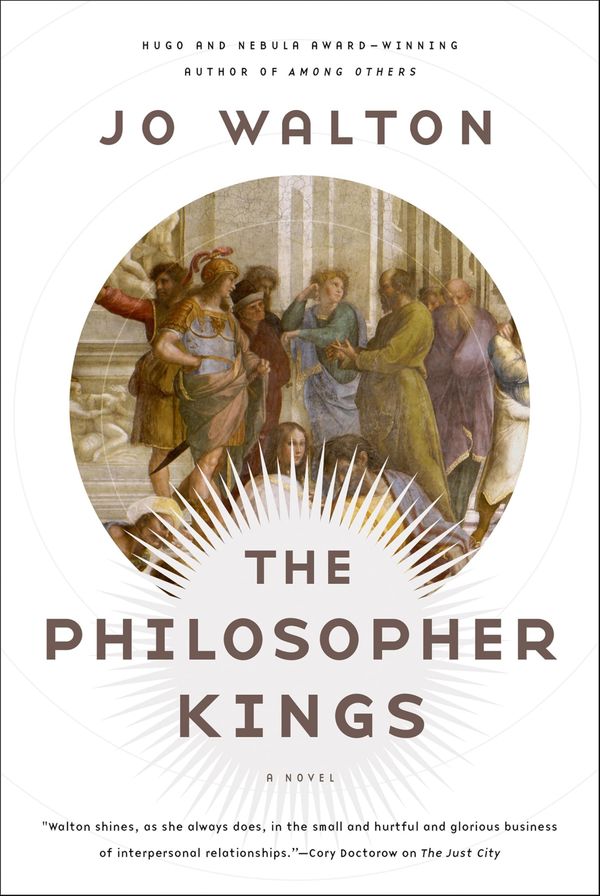
This book is for you if you're into...
- Gods living as humans and wrestling with mortal emotions
- Philosophy-driven societies inspired by Plato's Republic
- Ancient Mediterranean quests with time-displaced thinkers
A tale of gods and humans and the surprising things they have to learn from one another by the Hugo and Nebula Award–winning author of The Just City.
Twenty years have elapsed since the events of The Just City. The City, founded by the time-traveling goddess Pallas Athene, organized on the principles espoused in Plato's Republic and populated by people from all eras of human history, has now split into five cities, and low-level armed conflict between them is not unheard-of.
The god Apollo, living (by his own choice) a human life as "Pythias" in the City, his true identity known only to a few, is now married and the father of several children. But a tragic loss causes him to become consumed with the desire for revenge. Being Apollo, he goes about handling it in a seemingly rational and systematic way, but it's evident, particularly to his precocious daughter Arete, that he is unhinged with grief.
Along with Arete and several of his sons, plus a boatload of other volunteers—including the now fantastically aged Marsilio Ficino, the great humanist of Renaissance Florence—Pythias/Apollo goes sailing into the mysterious Eastern Mediterranean of pre-antiquity to see what they can find—possibly the man who may have caused his great grief, possibly communities of the earliest people to call themselves "Greek." What Apollo, his daughter, and the rest of the expedition discover . . . will change everything.
Follow This Author
Join & we'll email you when a new title is available for pre-order or hits the bookshelf

Sunlit Uplands
2055
Everybody's Perfect
2026
Thessaly
2023
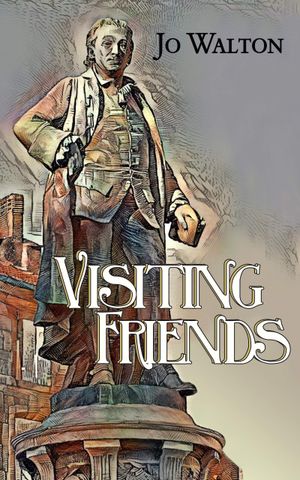
Visiting Friends
2020
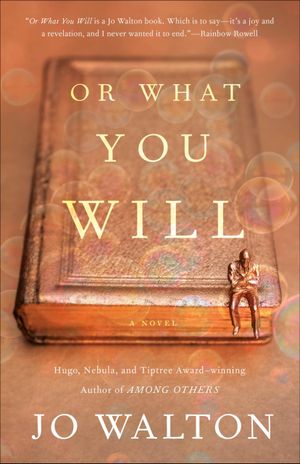
Or What You Will
2020







Little Stacks of Science Fiction
7 Sci-Fi Books With Fascinating Alien Worlds
Meet extraterrestrial civilizations stranger than anything you've ever read.

Scariest Rogue AI Books About Machines We Can't Trust
High-stakes stories where creation turns on its creator.
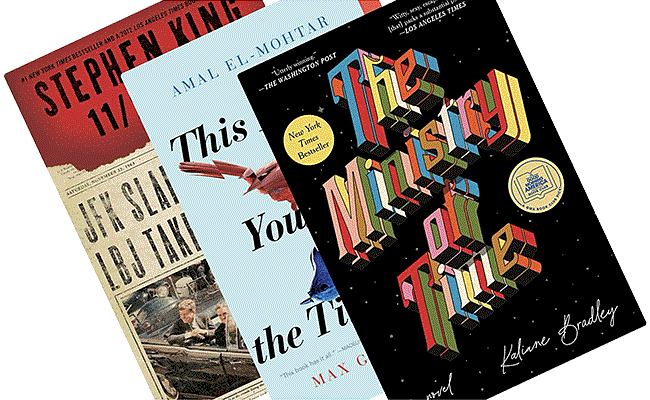
7 Modern Time Travel Books You Need to Read
From intimate journeys of love and loss to epic time wars, these sci-fi novels explore the endless possibilities (and peril) of time travel.
Get Free & Discounted eBooks
Curated reads, irresistible prices—subscribe now