
Library Manager
Manage your library—your way. Keep a running list or organize archived books into little stacks. i.e. Beach Reads, Cozy Covers, True Crime, etc.
Best Cyberpunk Books Set in Sprawling Megacities
Wander through neon-lit sprawls, hacker underworlds, and futures where the line between machines and man blur.
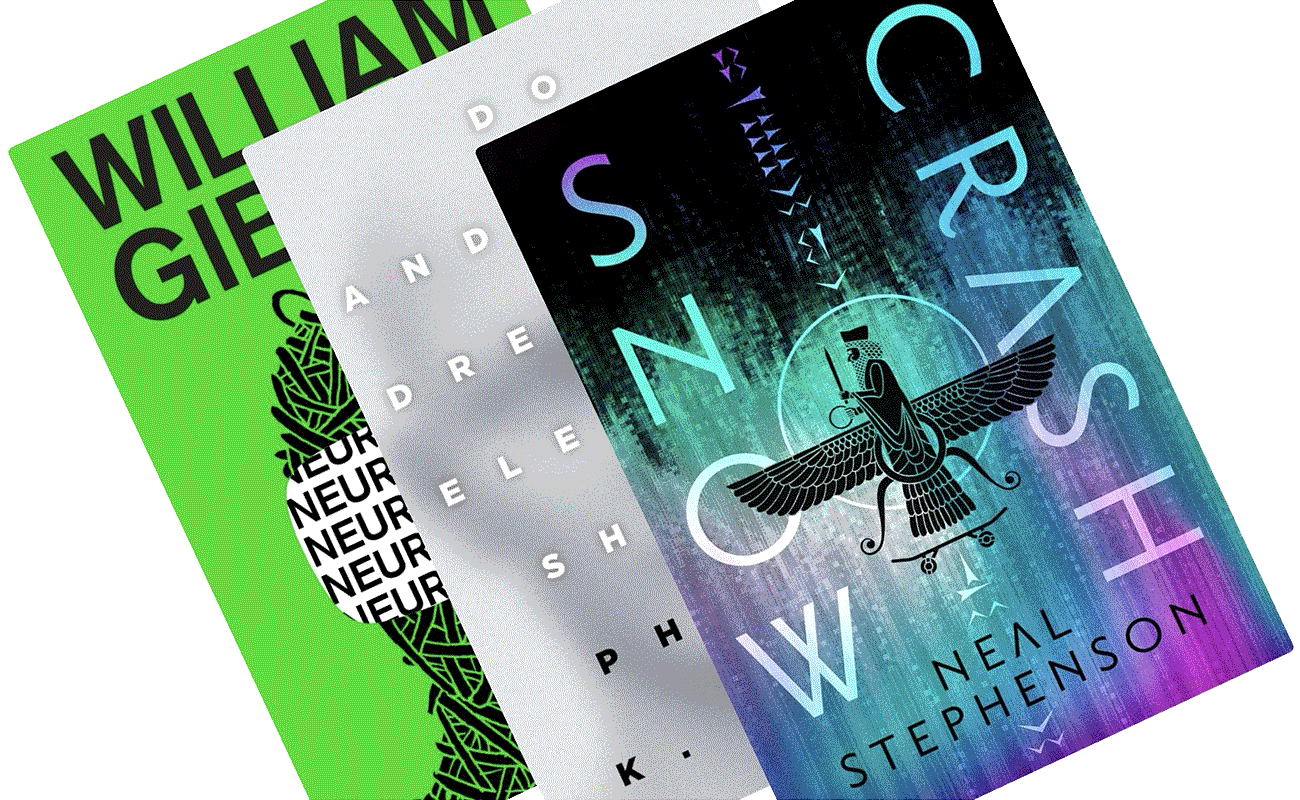
What will cities of the future be like? Looking at our current-day metropolises, it’s not impossible to imagine a world in which cities keep growing and expanding until they eventually swallow up smaller urban areas until all that remains are massive megacities that span the length and breadth of the globe.
Quite the striking picture, isn’t it? I’ve put together a little stack containing six sci-fi books that utilize these massive cyberpunk megacities as the setting for dark, gritty, action-packed, and intense stories that I know you’ll love as much as I do.
The megacity of Greater Los Angeles is more of a city-state, but one owned by a corporation rather than run by a government. Called “Franchulates”, they’re what you’d get if a company like Walmart or McDonalds owned a city and had their own private army to keep the peace and enforce law. As expected, this structure of governance-by-corporation has created a paradise for criminals and the lawless, and even allowed local “police forces” to let their baser human instincts run amok. It’s a fascinating-and grim look at what might happen if corporate greed was ever allowed to run unchecked.
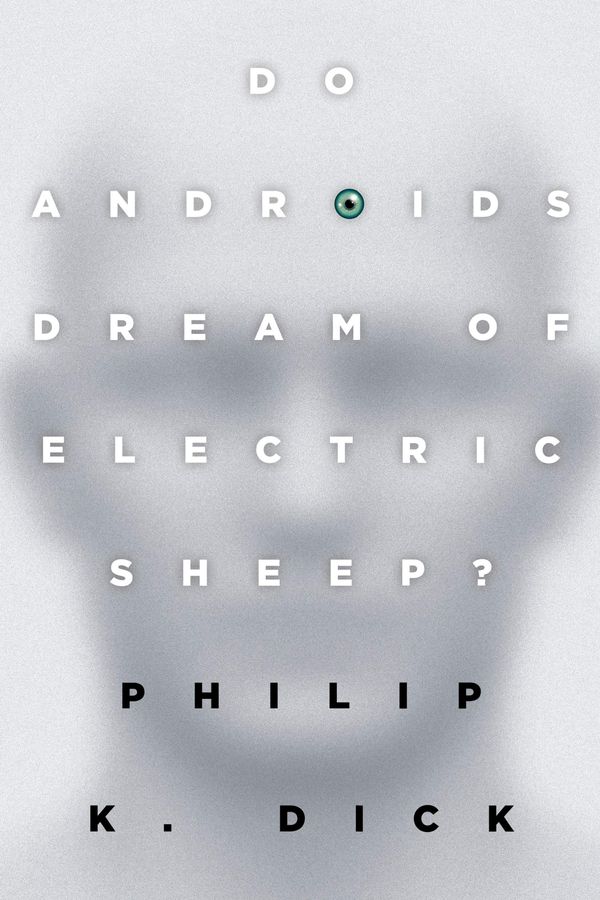
Set in a post-war, futuristic San Francisco, Do Androids Dream of Electric Sheep? is a cyberpunk masterpiece—and, I’d argue, the first true cyberpunk novel.
Much of humanity has high-tailed it to Mars and other off-world colonies following a devastating nuclear war, and it’s only the genetically damaged or chronically poor who are condemned to live in the eerily empty and quiet megacities left behind.
On every page, you feel a sense of decay, with the city crumbling and deteriorating, the absence of human life haunting. Technology no longer improves human life; instead, it allows people to numb themselves, creating an alternative in which no one has to live in unpleasant reality but can instead escape to an enchanting fantasy. Emotion is programmed, never felt.
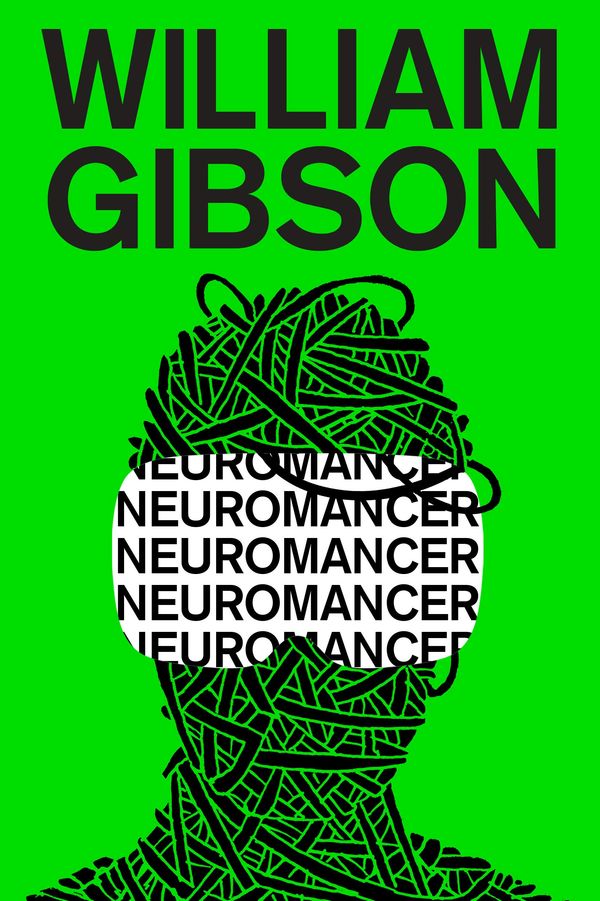
Neuromancer gives us a look at two massive megacities: The Sprawl and Chiba City. The Sprawl is a massive megacity that runs from Boston in the northeast to Atlanta in the south, spanning the entire eastern coast of the United States. What exactly Chiba City covers isn’t clarified, but you can imagine it spreading out from the current-day Chiba City and clawing its way across half of Japan.
Both are complex, mystifying, gritty, and colorful urban mazes where anything can be found for a price, and where everyone is overloaded with data but starving for meaning.
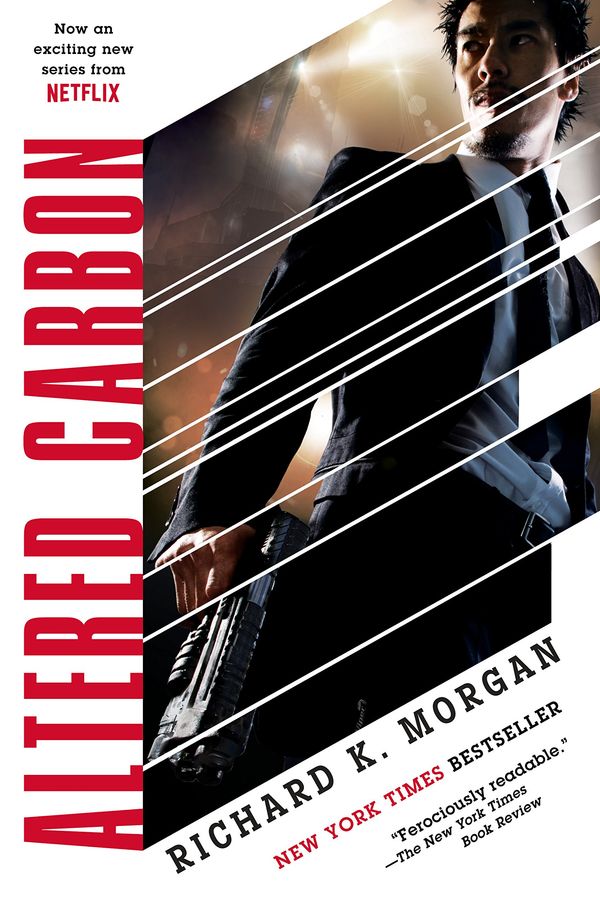
In Bay City, a futuristic San Francisco, bodies are cheap, human consciousness can be bought and sold, and inequality is terrifyingly prevalent and visceral.
Bay City is built on the ruins of San Francisco following a post-environmental collapse and total societal breakdown, and it has expanded both outward and upward. The poorest are confined to the streets and utterly disposable, while the wealthy rule from massive towers that stretch above the clouds and can live forever, thanks to their ability to transfer minds from one body to another.
Get ready for neon lights, flying cards, massive holo-ads, and cross-cultural mishmash—everything you love in a good cyberpunk story.
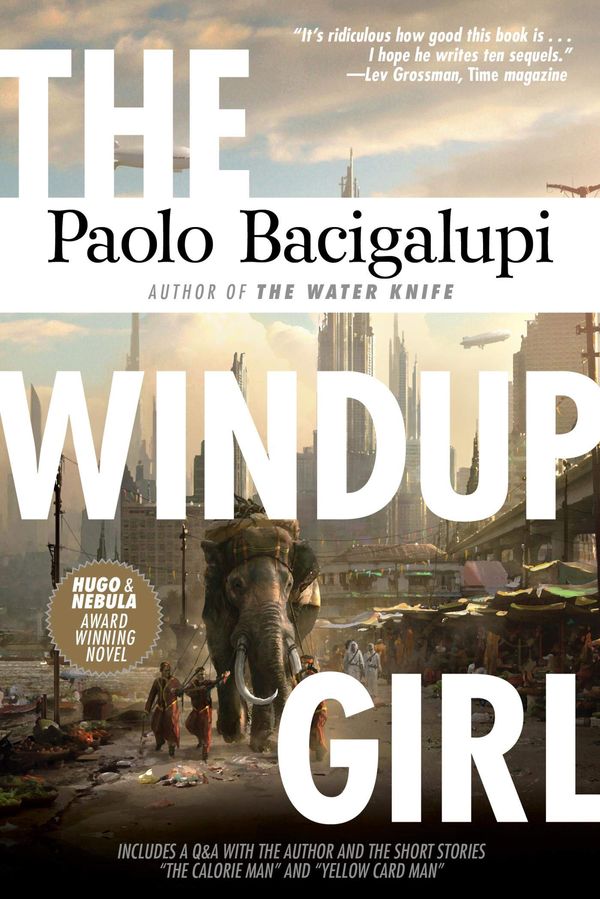
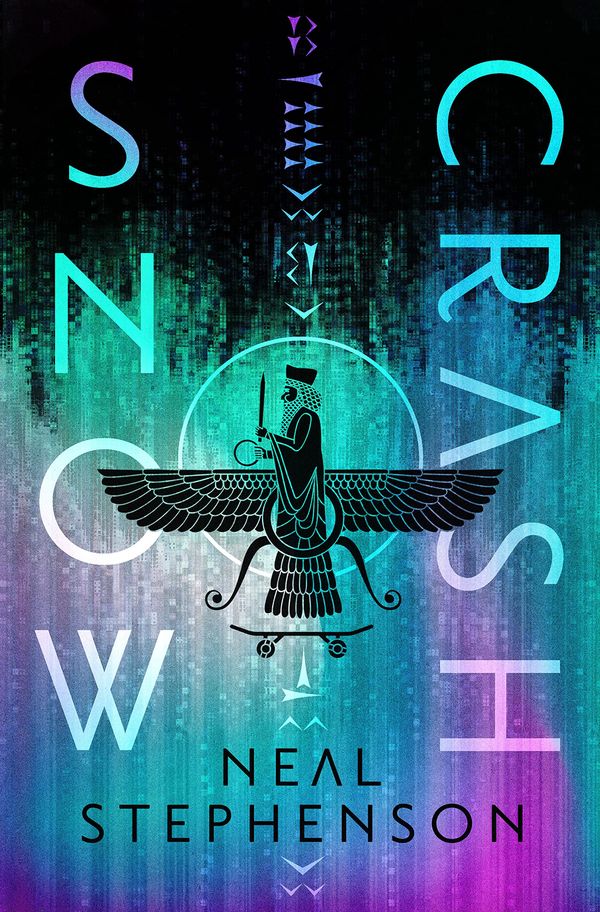
The Windup Girl takes us to Bangkok, Thailand, but a city utterly unlike anything we know and love. In this world, most coastal cities are drowned beneath the rising oceans, and only Bangkok persists due to its immense seawalls, floodgates, and environmental control systems. This world is heavily biopunk rather than cyberpunk, with GMO crops, diseases, and animals being used as weapons of war, global mega-corps hoarding food, and all energy being provided by animal and human-power. It’s steamy, overcrowded, decaying, and on the brink of disaster, under siege by the ocean and the corruption, greed, and excesses of mankind both.
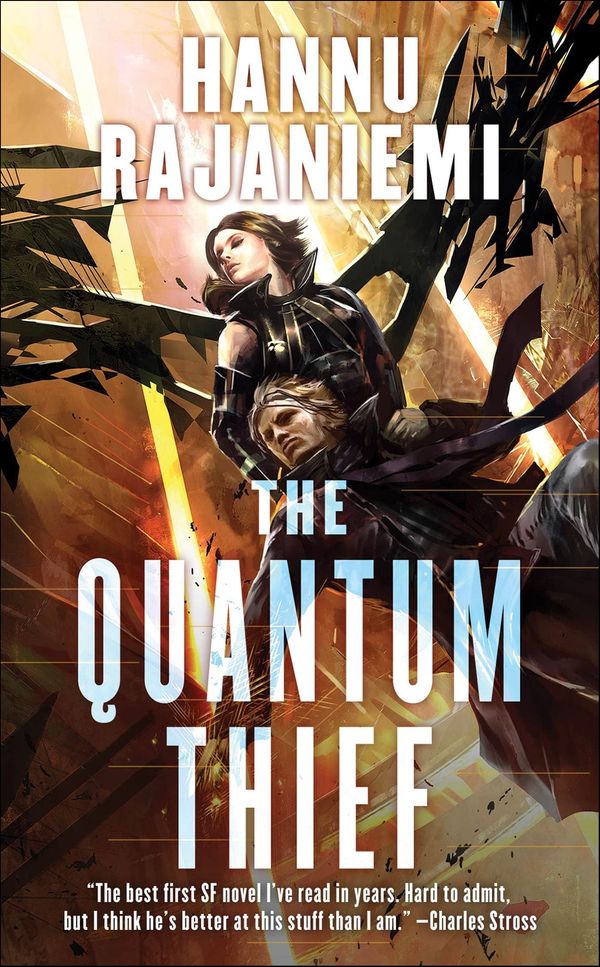
The city of Oubliette is built on Mars—part clockwork marvel, part post-human maze. The city roams the harsh Martian surface, always avoiding the brutal daylight, and it gives you the feeling like it’s a “mechanical ghost” that never has any sense of permanence or belonging, a feeling mirrored in the characters.
In this futuristic city, everyone is given a certain amount of time to live, and may earn more time by contributing to society. Similar to Altered Carbon, consciousness is portable and transferable, with minds being constantly swapped, backed up, and cloned, and physical bodies merely used as shells to house them.
The futuristic element is truly on full display with avatar-based communication, reshaping bodies, a city that feels semi-sentient, nanotech systems, and digital espionage and memory warfare.
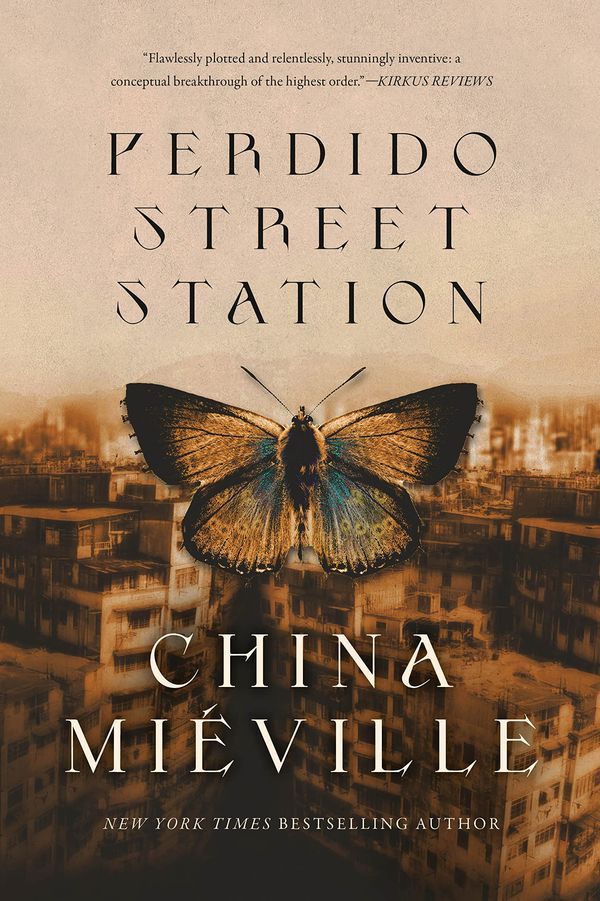
The city of New Crobuzon is a sprawling industrial megacity where every level of political and corporate infrastructure is designed to exploit and abuse, corruption is rampant, class divides are prevalent, and marginalized populations are crammed into the worst, decaying corners of the city. The "Remade" are criminals altered by surgery and thaumaturgy to be fully under state control, creating a labor force while maintaining a firm grip of oppression on society.
Perdido Street Station blends fantasy and cyberpunk in a truly grotesque and brilliant fashion that makes this award-winning novel absolutely worth adding to your TBR.
More Little Stacks of Science Fiction
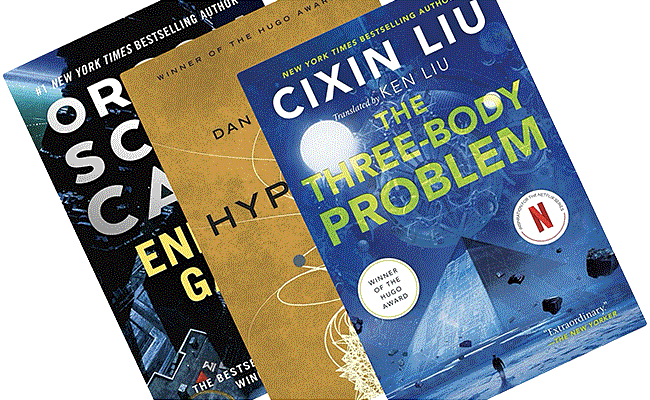
7 Sci-Fi Books With Fascinating Alien Worlds
Meet extraterrestrial civilizations stranger than anything you've ever read.

Scariest Rogue AI Books About Machines We Can't Trust
High-stakes stories where creation turns on its creator.
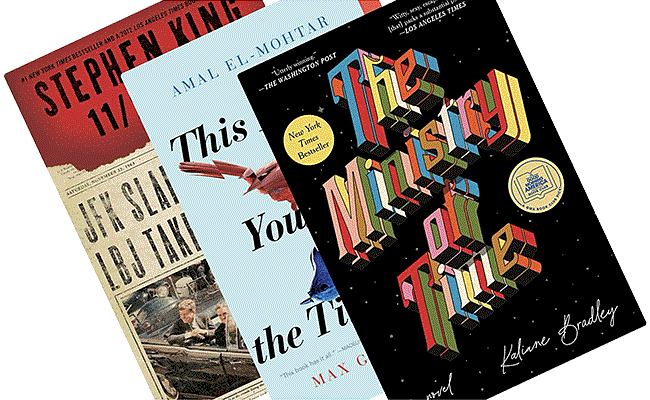
7 Modern Time Travel Books You Need to Read
From intimate journeys of love and loss to epic time wars, these sci-fi novels explore the endless possibilities (and peril) of time travel.