
Library Manager
Manage your library—your way. Keep a running list or organize archived books into little stacks. i.e. Beach Reads, Cozy Covers, True Crime, etc.
Sci-Fi Books Exploring Space Colonization and Terraforming
From the harsh frontiers of alien worlds to the fragile hope of a new beginning, these sci-fi stories explore humanity’s struggle to survive and thrive.
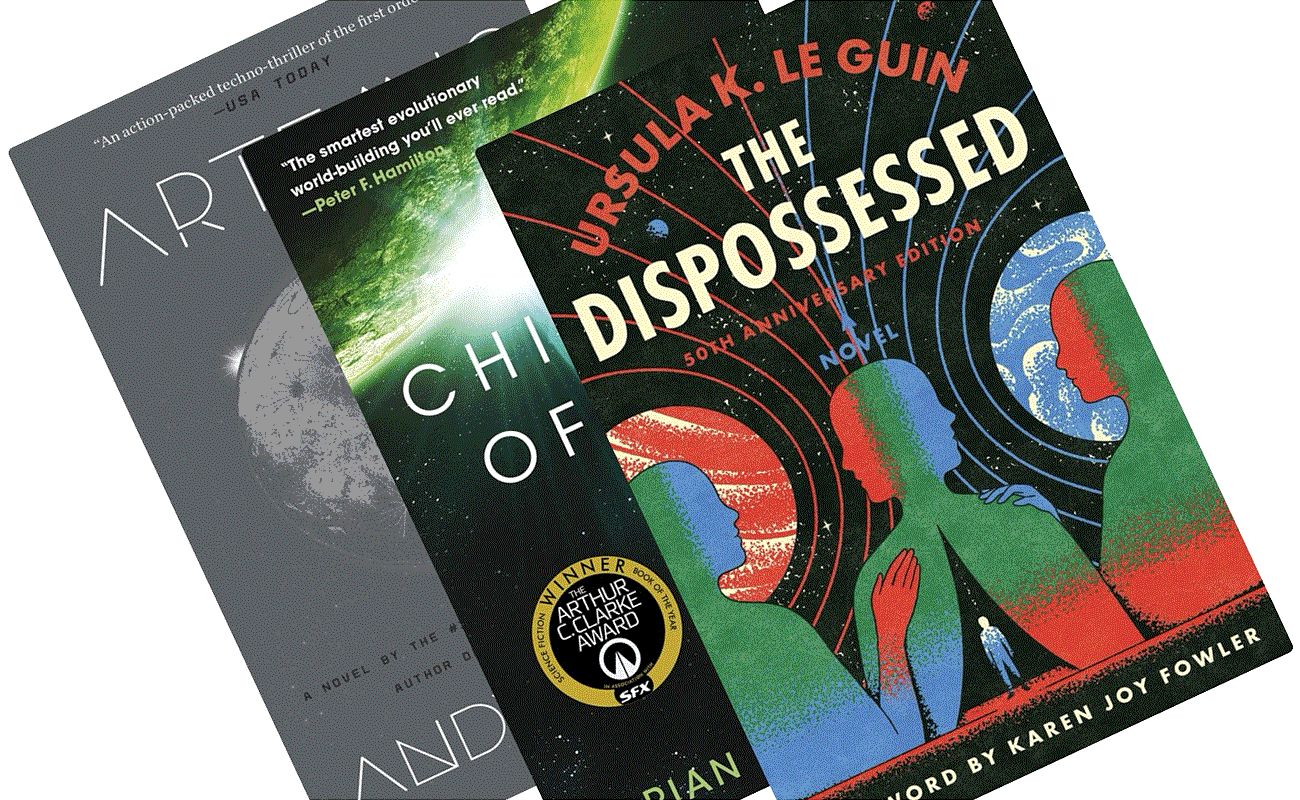
What’s humankind to do when we run out of room on planet Earth? Take to the stars and move to other planets, of course!
Space colonization and terraforming is one of the most fascinating of the science fiction tropes because it explores how such a thing might even be possible. What worlds out there could support human life, or what sort of technology is required to turn uninhabitable planets habitable? It’s a question that’s weighing on a lot of minds, so of course it’s a topic that has to be explored through the pages of sci-fi novels.
I’ve got a little stack of some of the best science fiction books that use the space colonization and terraforming trope to analyze the possibilities from ethical, moral, philosophical, and technological perspectives—all wrapped up in exciting and action-packed adventures.
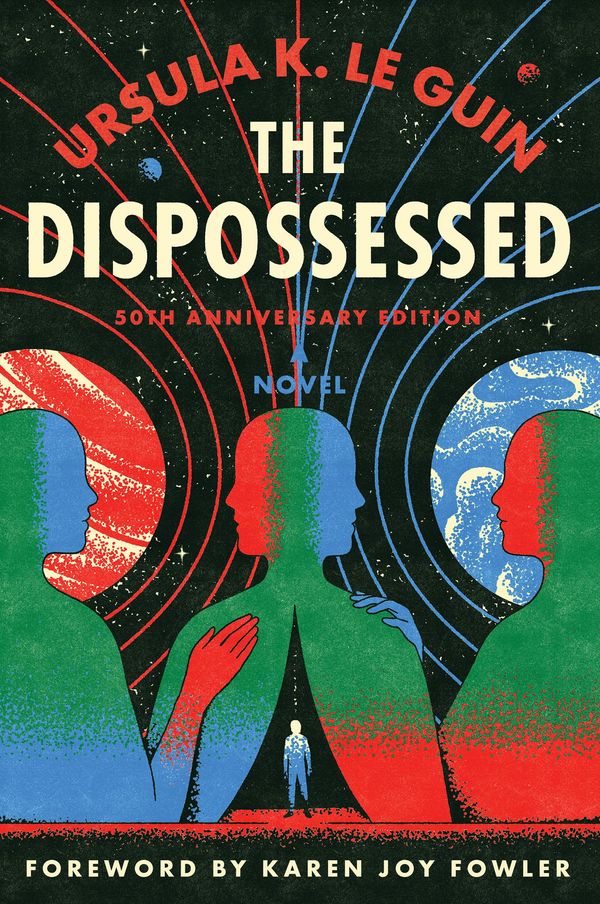
Ursula LeGuin examines what colonization of new worlds might be like if the desire to explore was driven by the desire for freedom from an oppressive society. What might these new worlds be like if ideology propels the expansion rather than greed or the need for survival.
There are few authors who write such poetic prose, and this story is lyrically beautiful and guaranteed to suck you in with every page. Her writing, paired with the themes of individuality and the cost of societal change, make it a must-read for any sci-fi lover.
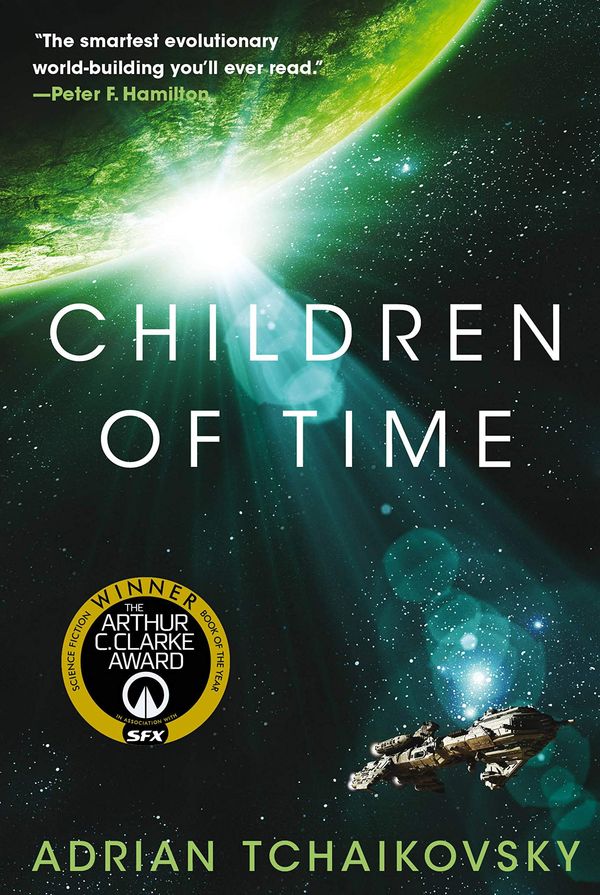
Children of Time is an excellent example of this particular sci-fi trope used to marvelous effect. In the series, a generational starship sent to colonize new worlds for humanity terraforms a planet, and in so doing, transforms spiders into sentient, intelligent creatures. Naturally, those “uplifted” spiders decide humanity is its greatest threat, thereby sparking a war between the two civilizations.
It’s a cold, hard look at the very real potential costs of space colonization and terraforming, not on hypothetical alien life, but on the very real flora and fauna on distant planets.
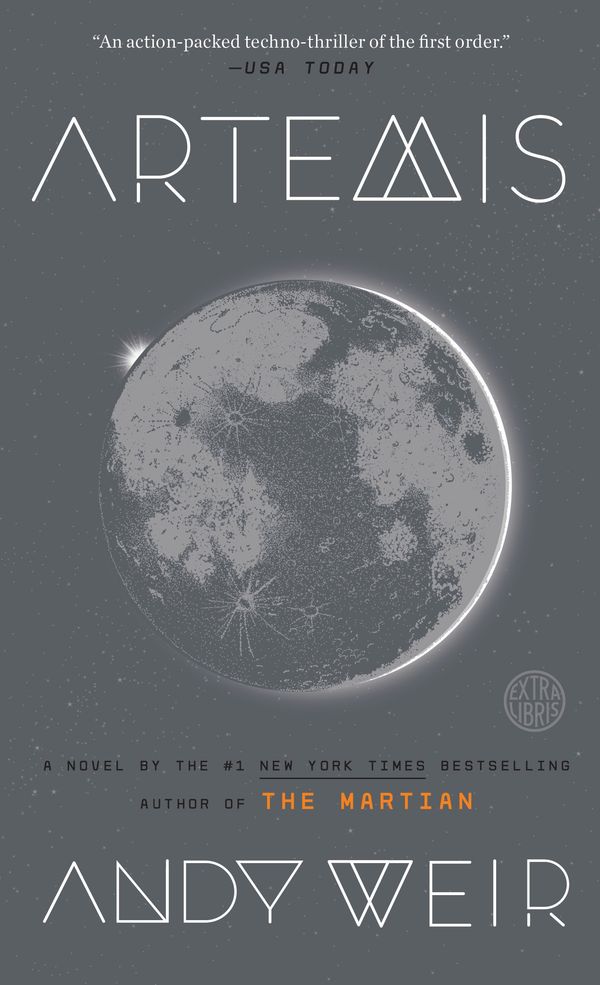
Artemis is set on a moon colony built inside pressurized domes and connected by tunnels, an artificial environment in which people could theoretically live on a celestial body as uninhabitable as the Moon.
It explores the realities of such a colony, how it’s driven by tourism and exists with its own legal and governmental entities separate from Earth. All of this is in the background to the story of Jazz, a sharp-witted lunar smuggler who gets dragged into a conspiracy of corporate sabotage and organized crime, but the setting makes for a fascinating examination of what life might be like in a such a society.
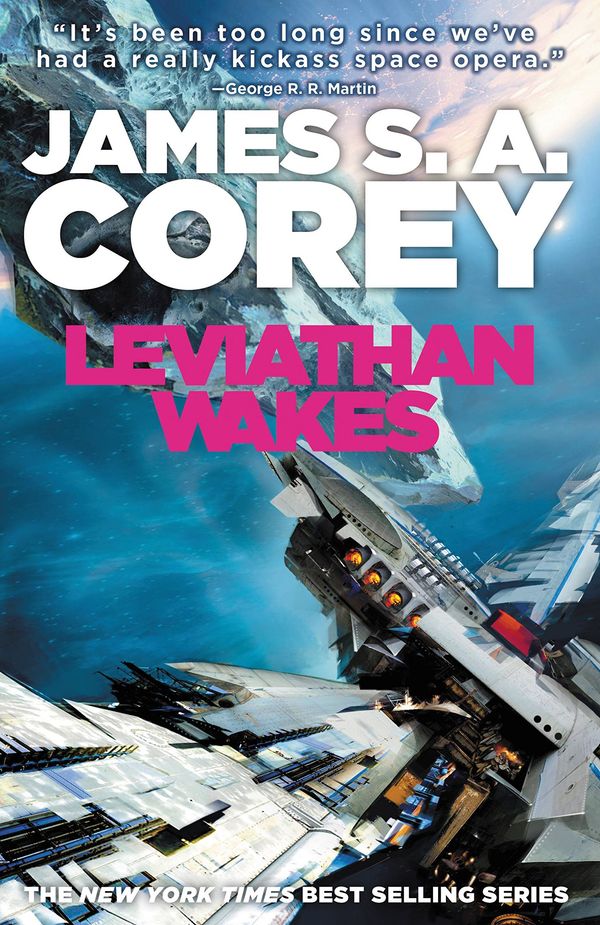
In The Expanse series, we’re shown what life might look like if humans colonized Mars and began mining the asteroid belt for minerals. While the colonization is limited to our solar system (initially), that’s enough to show the political ramifications of societies rising and seeking independence.
The planet Mars is highly militaristic, but it’s also home to some of the greatest technological advancements, including the terraforming processes that are turning it from a harsh wasteland to a lush paradise.
The introduction of the alien “protomolecule” and the technology to which it gives rise leads to some great changes—and conflicts—that make for a truly gripping sci-fi saga.
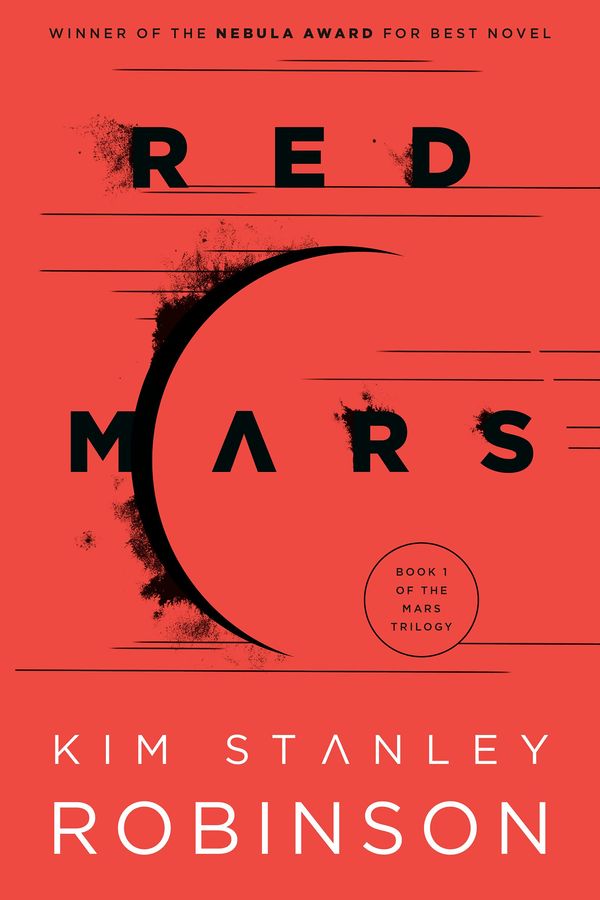
It could be said that Red Mars is THE definitive take on Mars terraforming. It explores the science behind terraforming in impressive detail, exploring every nuance of the scientific and technological challenges that go into turning an uninhabitable planet like Mars into a planet capable of sustaining human life.
There’s a great deal of ecological philosophy and ethical dilemmas related to the concept of terraforming explored in this book—of course, with all the requisite political intrigue and ideological divides that make it a truly fascinating read from start to finish.
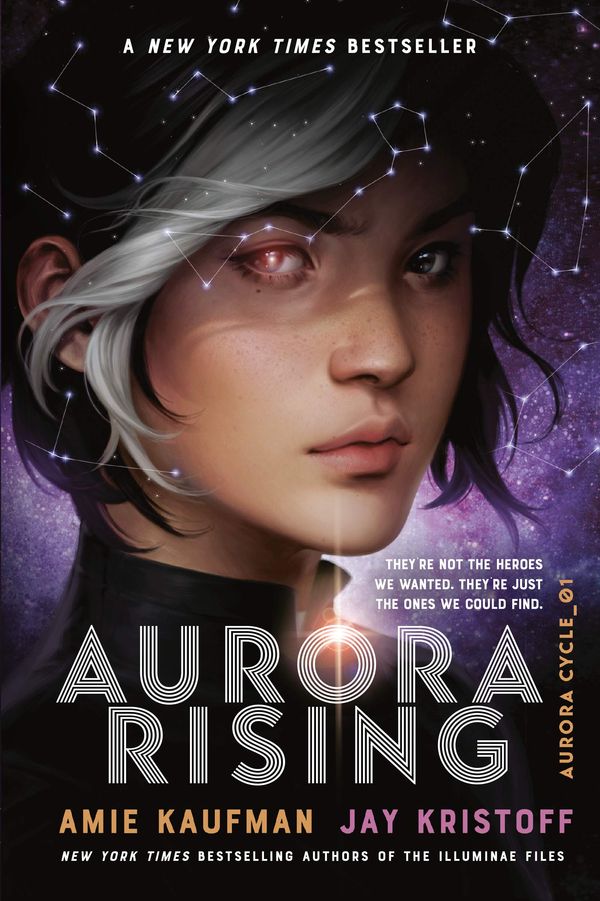
In Aurora Rising, the colonization stakes take a bit of a background to the main story. However, the protagonists are part of a military-style academy training them to be involved in future colonization, exploration, and peacekeeping missions, including on terraformed planets.
The story hits some of my favorite tropes—including found family, ancient alien threats, reluctant heroes, and a ragtag team thrown together by fate—and tells a truly compelling story suitable for both YA and adult audiences.
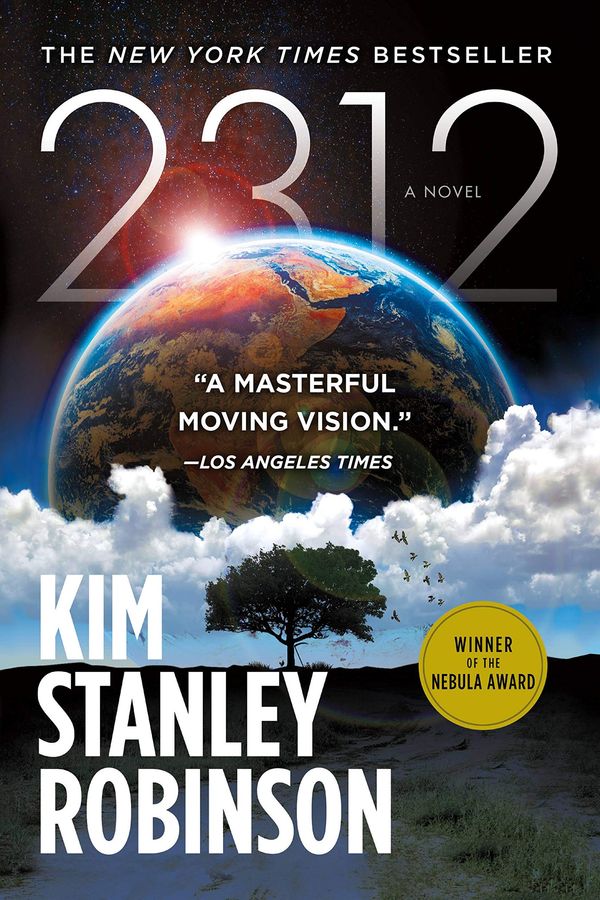
In 2312, it’s not just one planet that gets terraformed and colonized. It’s the entire solar system. Asteroids are hollowed out and turned into mobile “terraria” habitats. Moons are partially terraformed. Even planets are engineered to support idealized cityscapes. Everywhere you look, the solar system has become a patchwork of human-made ecosystems. What could possibly go wrong with that, right?
The story starts with a death and pulls back the curtain to reveal sabotage and political instability on a massive scale. It’s a fascinating—and sobering—look at what happens when colonization and terraforming meet the excesses of human nature.
More Little Stacks of Science Fiction
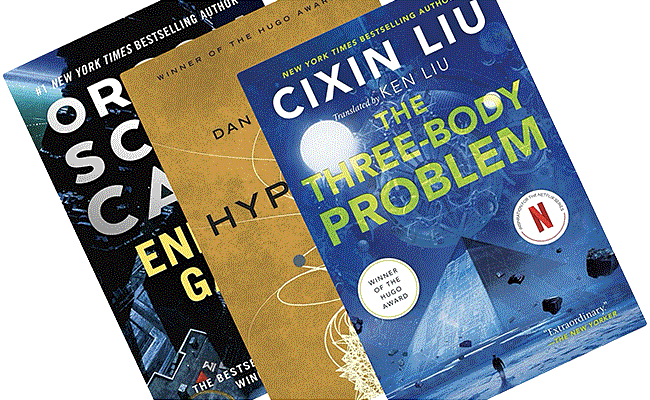
7 Sci-Fi Books With Fascinating Alien Worlds
Meet extraterrestrial civilizations stranger than anything you've ever read.

Scariest Rogue AI Books About Machines We Can't Trust
High-stakes stories where creation turns on its creator.
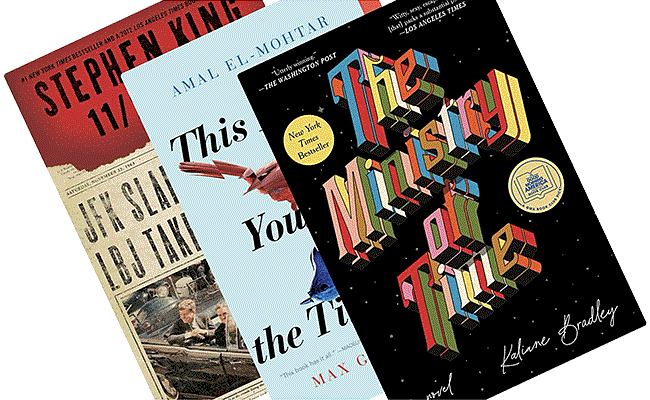
7 Modern Time Travel Books You Need to Read
From intimate journeys of love and loss to epic time wars, these sci-fi novels explore the endless possibilities (and peril) of time travel.