
Library Manager
Manage your library—your way. Keep a running list or organize the books you've read into little stacks. i.e. Beach Reads, Cozy Covers, True Crime, etc.
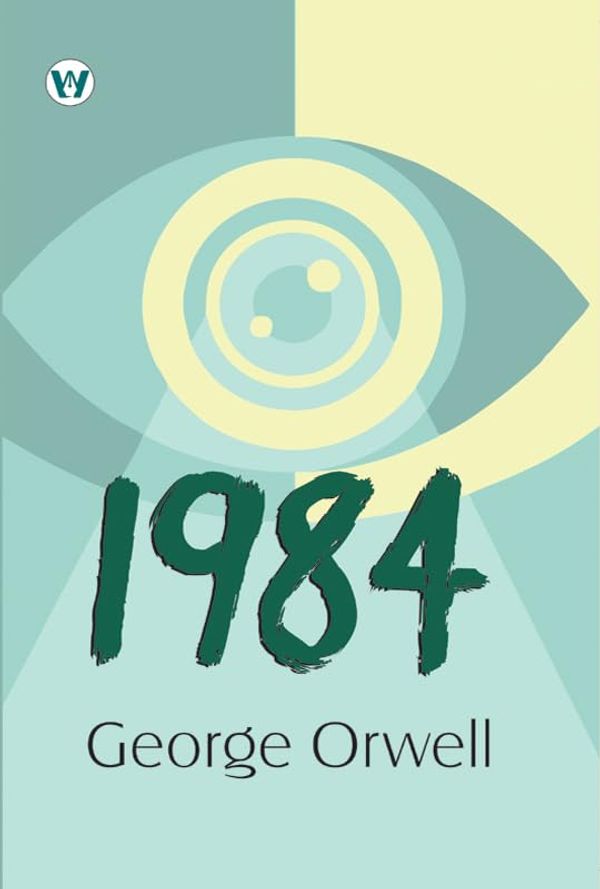
1984
A Dystopian Novel by George Orwell
Subgenres:
- Political Fiction,
- Science Fiction,
- Totalitarianism
This book is for you if you're into...
- Dystopias where surveillance and propaganda shape every part of life
- Stories questioning truth, memory, and the power of language
- Forbidden relationships under oppressive regimes
Nineteen Eighty-Four: A Novel, often referred to as 1984, is a dystopian social science fiction novel by English novelist George Orwell. It was published on 8 June 1949 by Secker & Warburg as Orwell's ninth and final book completed in his lifetime.
Thematically, Nineteen Eighty-Four centres on the consequences of totalitarianism, mass surveillance, and repressive regimentation of persons and behaviours within society. Orwell, himself a democratic socialist, modelled the authoritarian government in the novel after Stalinist Russia. More broadly, the novel examines the role of truth and facts within politics and the ways in which they are manipulated.
The story takes place in an imagined future, the year 1984, when much of the world has fallen victim to perpetual war, omnipresent government surveillance, historical negationism, and propaganda. Great Britain, known as Airstrip One, has become a province of a totalitarian superstate named Oceania that is ruled by the Party who employ the Thought Police to persecute individuality and independent thinking. Big Brother, the leader of the Party, enjoys an intense cult of personality despite the fact that he may not even exist.
The protagonist, Winston Smith, is a diligent and skillful rank-and-file worker and Outer Party member who secretly hates the Party and dreams of rebellion. He enters into a forbidden relationship with a colleague, Julia, and starts to remember what life was like before the Party came to power.
Nineteen Eighty-Four has become a classic literary example of political and dystopian fiction. It also popularised the term "Orwellian" as an adjective, with many terms used in the novel entering common usage, including "Big Brother", "doublethink", "Thought Police", "thoughtcrime", "Newspeak", "memory hole", "2 + 2 = 5", "proles", "Two Minutes Hate", "telescreen", and "Room 101". Time included it on its 100 best English-language novels from 1923 to 2005. It was placed on the Modern Library's 100 Best Novels.
Follow This Author
Sign up & we'll email you when a new title is available for pre-order or hits the bookshelf






Little Stacks of Science Fiction
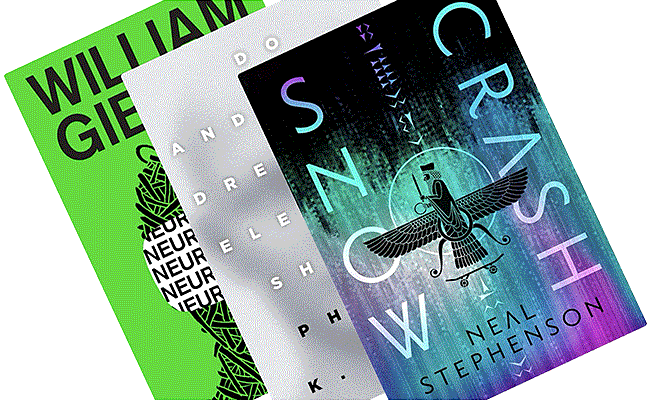
Best Cyberpunk Books Set in Sprawling Megacities
Wander through neon-lit sprawls, hacker underworlds, and futures where the line between machines and man blur in these seven sci-fi books, where towering cyberpunk megacities pulse with data and danger.
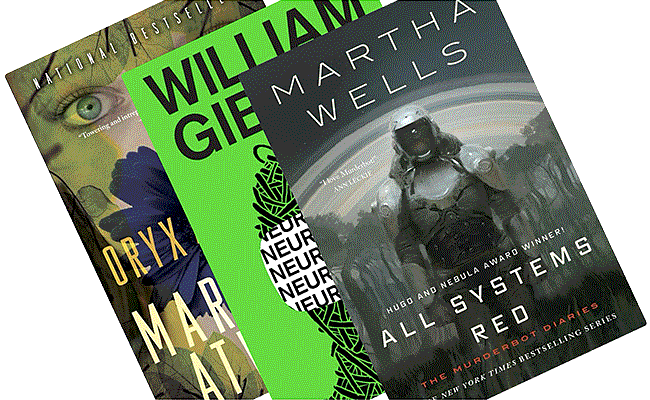
Explore Transhumanism: 7 Must-Read Science Fiction Books
From highly-refined cyborgs fitted with sleek cybernetics to digitized minds and biological overhauls, these sci-fi stories give us riveting insight into body augmentation and transhumanism, both the potential benefits and very real dangers.
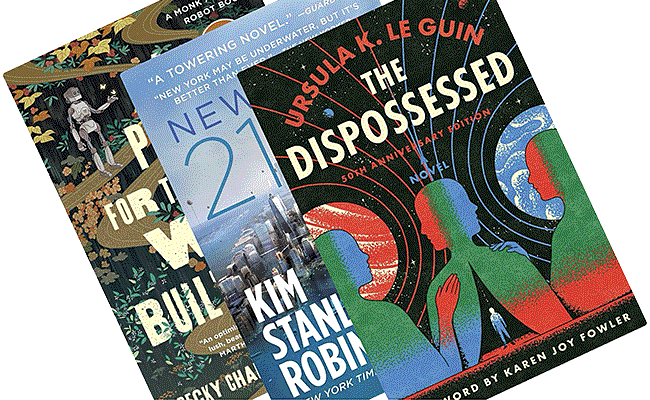
Solarpunk Books That Imagine a More Hopeful Future
Journey to cities, planets, and universes where technology builds a better future and humanity lives in harmony with the worlds they’ve colonized in these six sci-fi books.
Get Free & Discounted eBooks
Curated reads, irresistible prices—subscribe now