
Library Manager
Manage your library—your way. Keep a running list or organize archived books into little stacks. i.e. Beach Reads, Cozy Covers, True Crime, etc.
The True True Story of Raja the Gullible (and His Mother) Wins the National Book Award
Celebrate the 2025 winner and explore the ten-book longlist defining the best of American fiction.
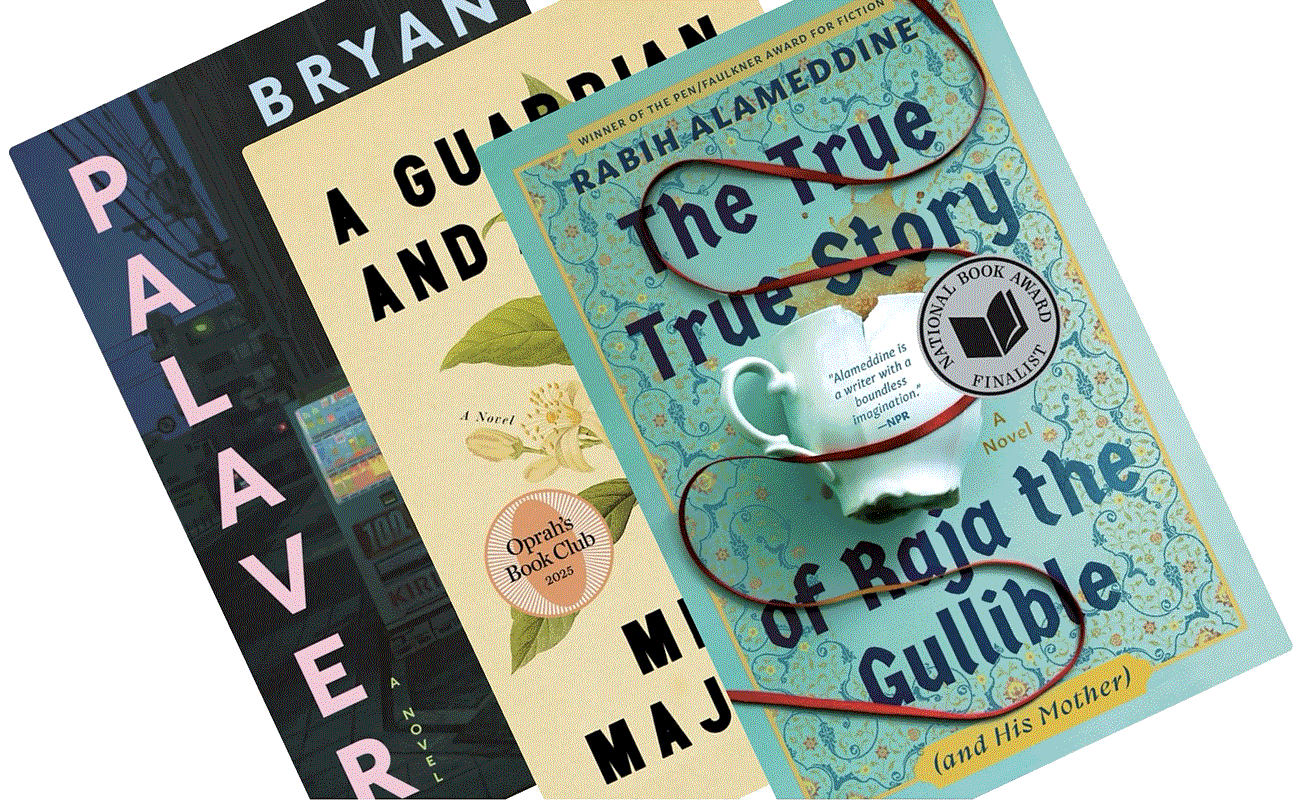
The National Book Award fiction archives are a who’s who of American literary fiction. The gold emblem shines like a beacon on the bookshelf, and I’ll admit I’ve been swayed more than once by its shimmery pull.
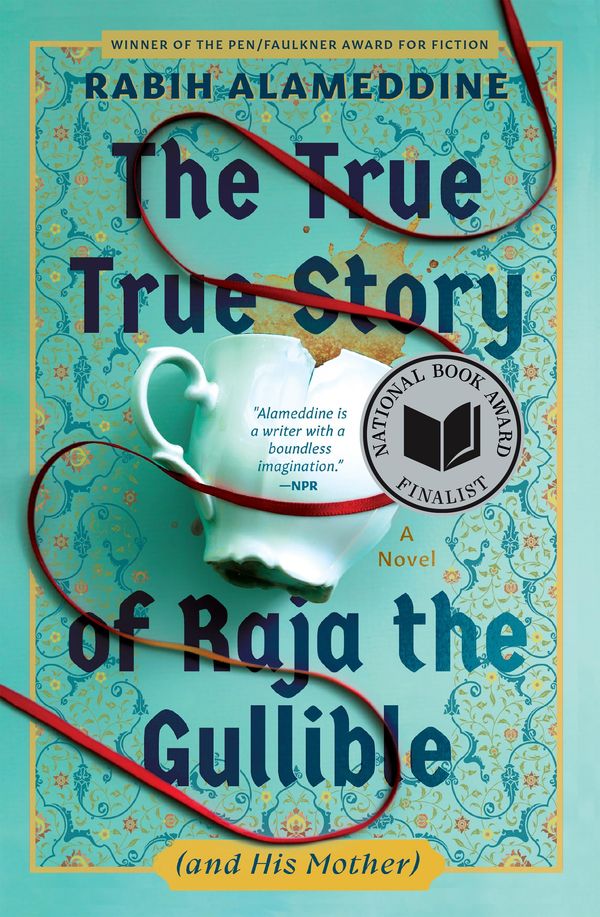
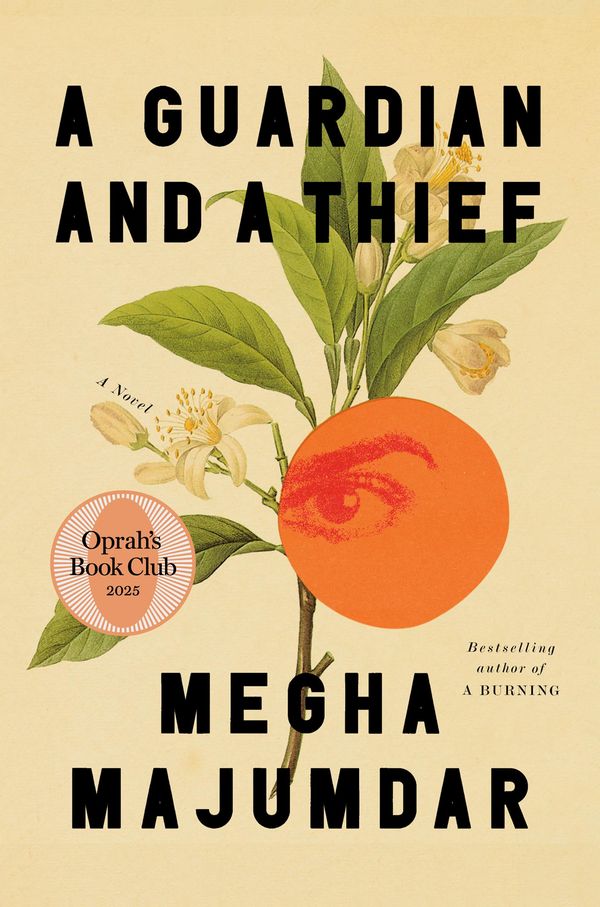
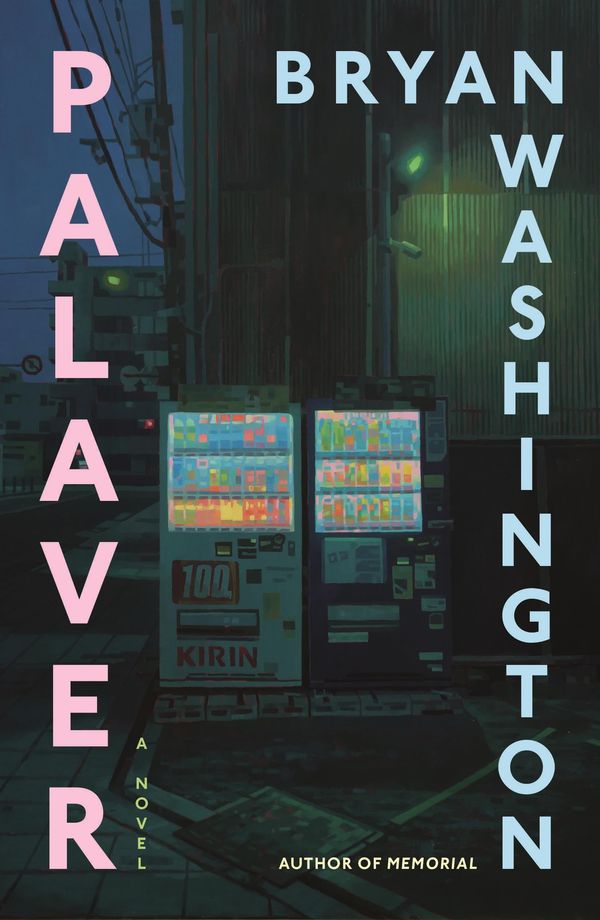
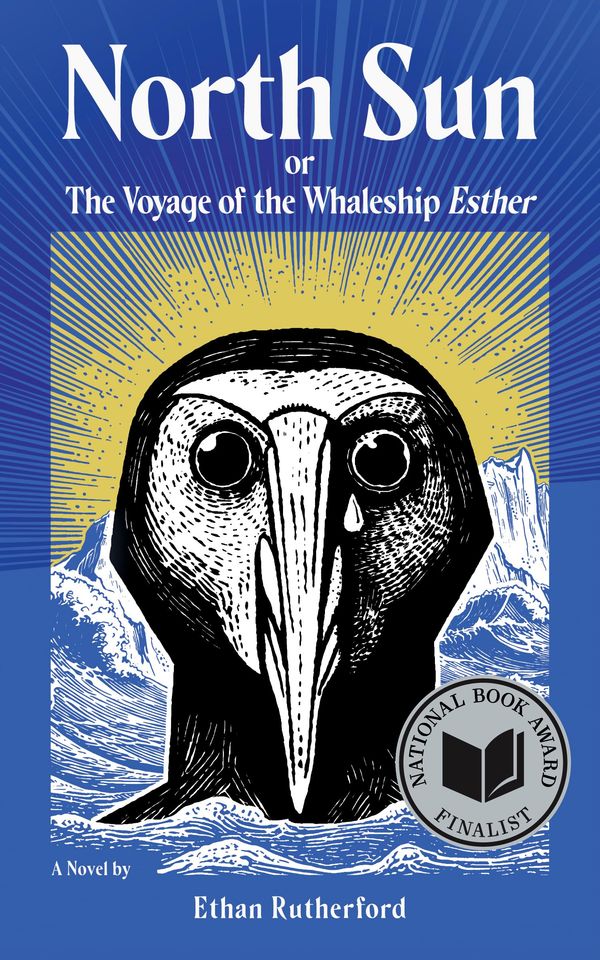
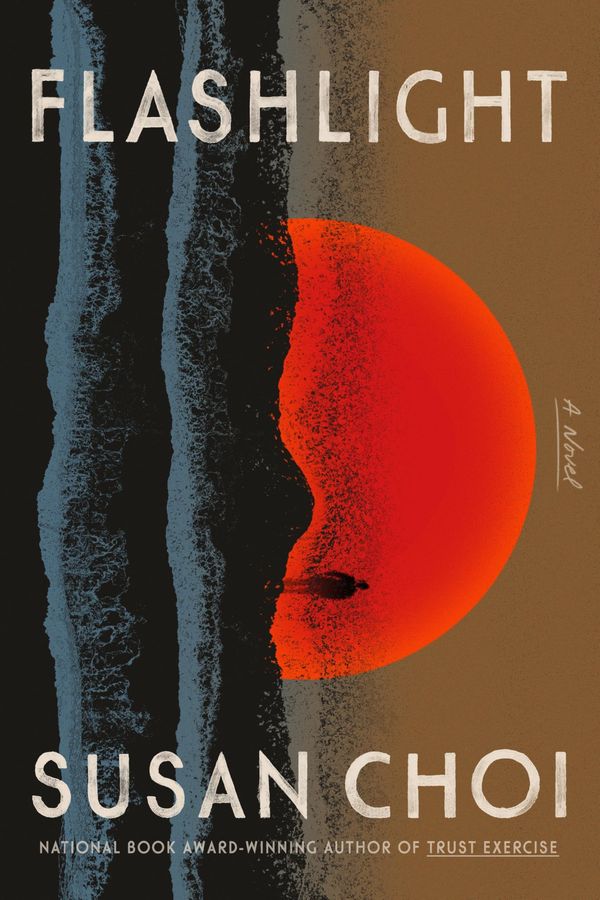
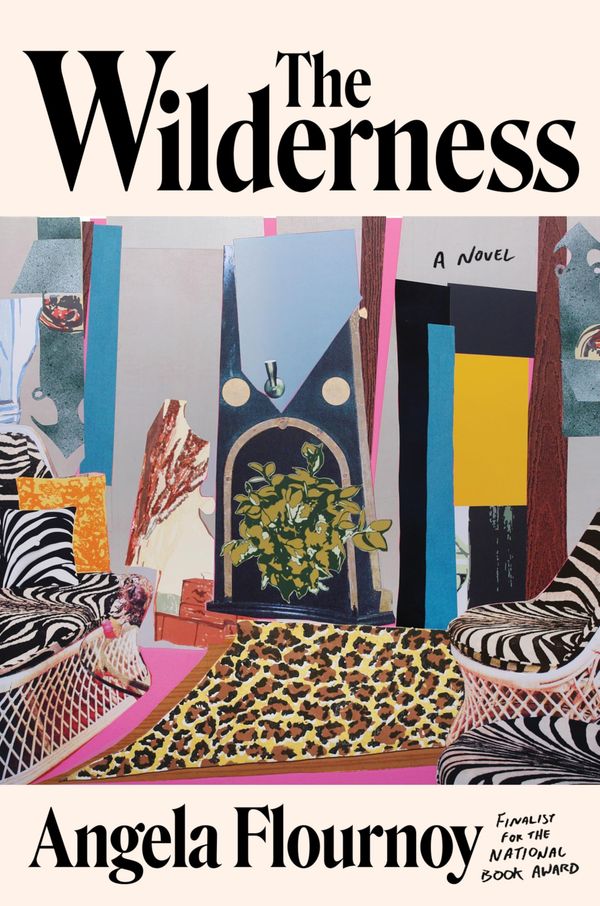
Rabih Alameddine’s The True True Story of Raja the Gullible (and His Mother) won this year’s award—a standout among an exceptional ten-title longlist that included two debuts, one short story collection, and eight past finalists and winners. Additionally, Flashlight by Susan Choi also appeared on the Booker Prize shortlist, and Pulitzer Prize–nominated author, Karen Russell’s Antidote was championed by our literary critic and romance writer, Kayleigh Donaldson. Read her review below.
First presented in 1950, the National Book Award honors the best writing in the United States with a strong emphasis on literary ambition. While categories span nonfiction, poetry, translated literature, and young people’s literature, the fiction longlist has included modern classics from Alice Walker’s The Color Purple to Cormac McCarthy’s All the Pretty Horses and Jesmyn Ward’s Sing, Unburied, Sing—titles book clubs devour and writers aspire to.
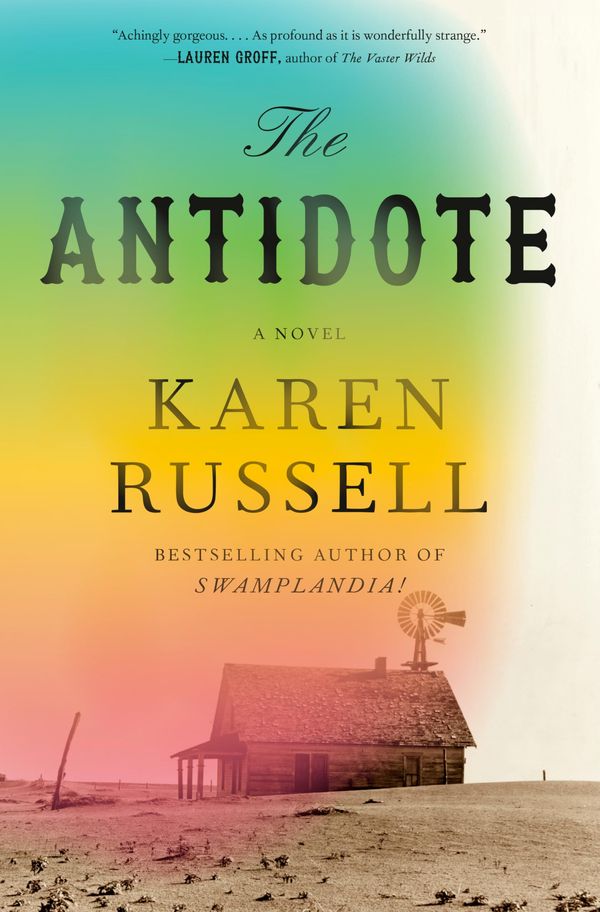
In her review, critic Kayleigh Donaldson writes:
Multi-award-winning writer Karen Russell is one of the most unique and witty short story writers in American fiction. Her works, found in collections like Vampires in the Lemon Grove, blend high-concept plots with unexpected melancholy and a perceptive gaze towards the weird and wacky. Imagine ludicrous scenarios, like a vampire giving up blood for citrus or a girl turning into a silkworm, but with surprisingly potent thematic layers and a serious emotional punch. Expanding her scope to novel length has diluted none of her potency.
The Antidote, her sophomore novel and first one in 14 years, upped the ante even further in terms of stakes, blending speculative elements with the weight of a much-discussed and still-thorny period of American history. The drama brings magical realism of the Dust Bowl of 1930s Nebraska, where a small town named Uz struggles with drought and the Great Depression. Harp Oletsky is a farmer whose lands have miraculously survived the plague of a recent storm. His niece Dell is struggling to cope with the murder of her mother and ends up apprenticing herself to a mysterious woman known as a prairie witch. She claims to have the power to take away people’s unwanted memories, but for a price.
While the novel has those very Russell-esque moments of quirk, including a haunted scarecrow, The Antidote is a deeply serious work. It's a story of memory, and what happens when a nation chooses to forget its sins. In this case, that means the ethnic cleansing of the Native population that set the stage for the climate crisis of the Dust Bowl. While The Antidote proudly wears its anachronisms on its sleeve, it’s also a perceptive gaze into American history with a staunch environmentalist lens. Is it prescient or just a record of the moment? For Karen Russell, perhaps the answer is both.
More Little Stacks of Modern & Literary Fiction
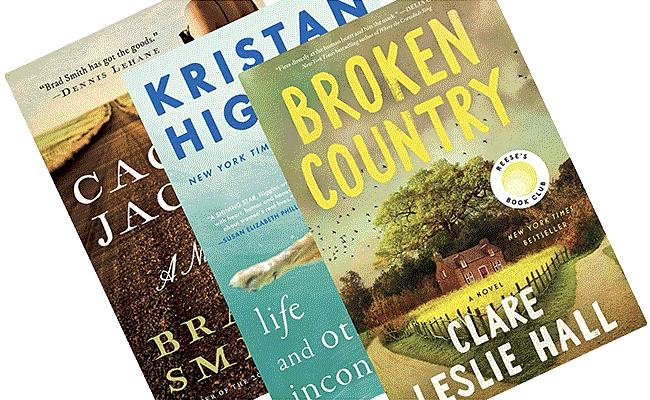
Homecoming Books That Force You to Confront the Past
Old wounds, family secrets, and reunions wait on every page.
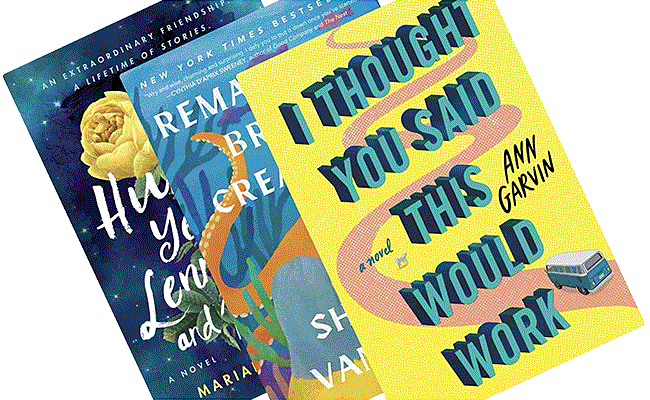
Heartwarming Friendship Books About Unexpected Bonds
From childhood pals to chance reunions these reads spark hope and heartfelt joy.