
Library Manager
Manage your library—your way. Keep a running list or organize the books you've read into little stacks. i.e. Beach Reads, Cozy Covers, True Crime, etc.
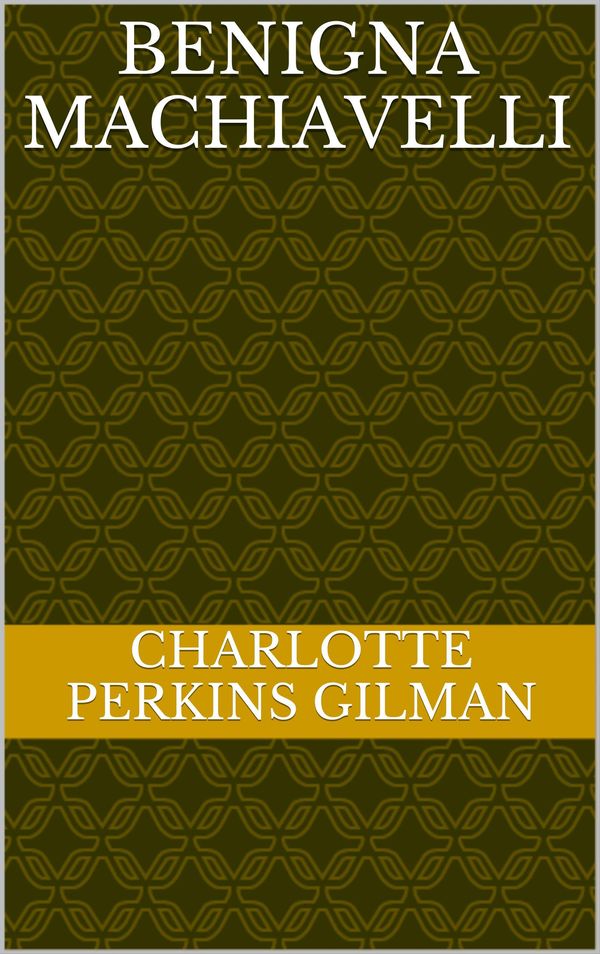
Originally published in "The Forerunner" in 1914. Now available in its original form.An excerpt:
I learned a lot, when I was a child, from novels and stories, even fairy stories have some point to them—the good ones. The thing that impressed me most forcibly was this: that the villains always went to work with their brains and accomplished something. To be sure they were "foiled" in the end, but that was by some special interposition of Providence, not by any equal exertion of intellect on the part of the good people. The heroes and heroines and middle ones were mostly very stupid. If bad things happened, they practised patience, endurance, resignation, and similar virtues; if good things happened they practised modesty and magnanimity and virtues like that, but it never seemed to occur to any of them to make things move their way. Whatever the villains planned for them to do, they did, like sheep. The same old combinations of circumstances would be worked off on them in book after book—and they always tumbled! It used to worry me as a discord worries a musician. Hadn't they ever read anything? Couldn't they learn anything from what they read—ever? It appeared not.
And it seemed to me, even as a very little child, that what we wanted was good people with brains, not just negative, passive, good people, but positive, active ones, who gave their minds to it. "A good villain! That's what we need!" said I to myself. "Why don't they write about them? Aren't there any?" I never found any in all my beloved story books, or in real life. And gradually, I made up my mind to be one!
Follow This Author
Join & we'll email you when a new title is available for pre-order or hits the bookshelf






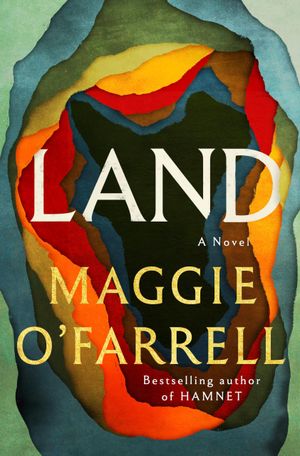

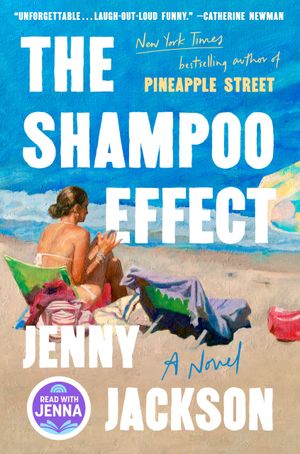


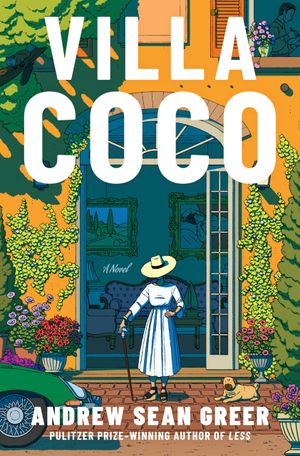
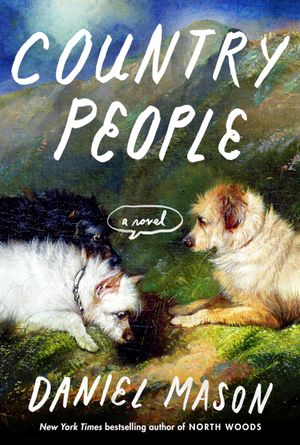
Little Stacks of Modern & Literary Fiction
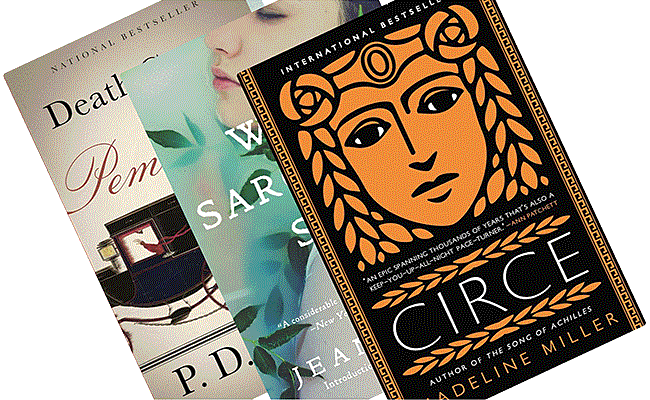
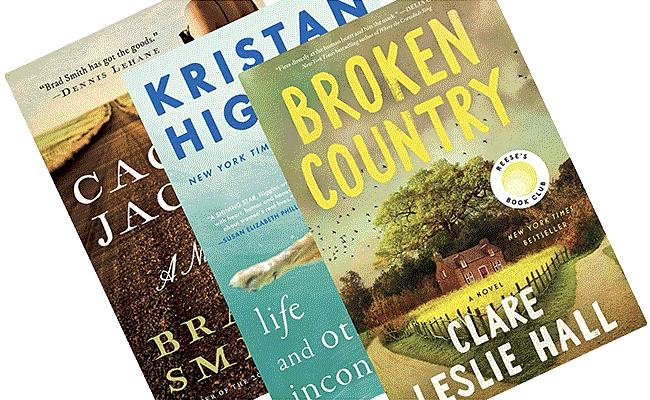
Homecoming Books That Force You to Confront the Past
Old wounds, family secrets, and reunions wait on every page.
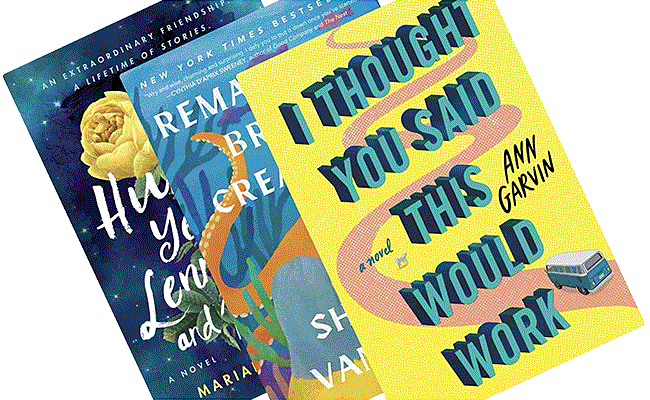
Heartwarming Friendship Books About Unexpected Bonds
From childhood pals to chance reunions these reads spark hope and heartfelt joy.
Get Free & Discounted eBooks
Curated reads, irresistible prices—subscribe now